systems
architecture, failure modes, and recovery paths
engineering brief // calm systems in noisy domains
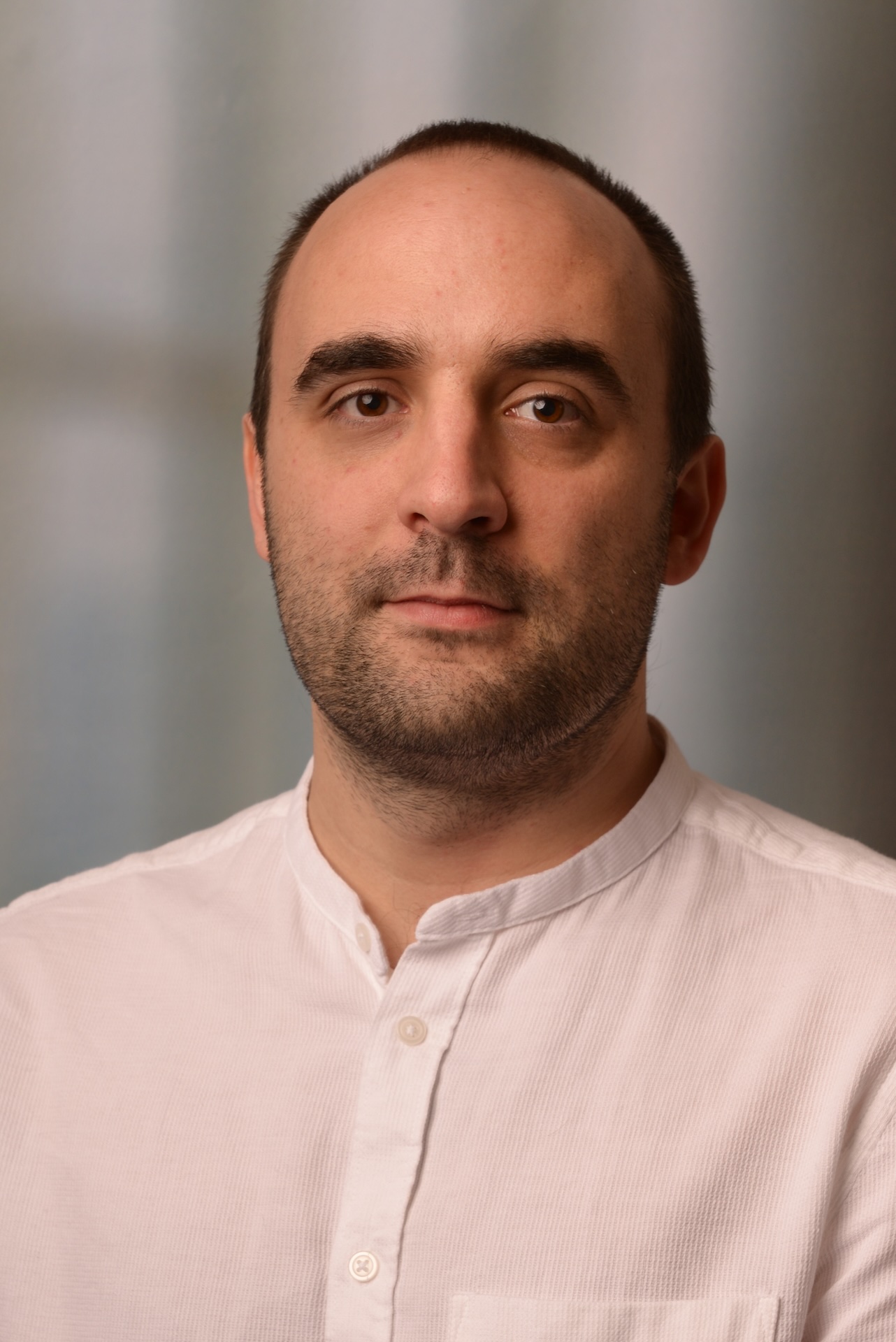
I’m Jedrzej Nowak, usually called NJ. I’ve spent most of my career in places where failure is expensive: telecom, cloud platforms, blockchain, and now AI. I help companies turn technical ambition into systems and teams that keep working when things get real.
systems
architecture, failure modes, and recovery paths
teams
clear ownership, calmer execution, better handoffs
reliability
operational discipline without ceremony or drama
delivery
moving from prototype energy to something durable
operating model
I’m not interested in looking important from a distance. I’m useful when a company needs architectural clarity, a steadier engineering system, and someone who can stay close to the problem without becoming the bottleneck.
01
I like joining design reviews, incident work, and hard delivery conversations when it meaningfully improves outcomes. Then I step back so the team can keep ownership.
02
I look at org friction and technical friction together. Slow teams often have structural problems, not motivation problems.
03
I care about solid design, but not as theatre. If the right answer is boring, pragmatic, and maintainable, I will take that every time.
selected work
The pattern is usually the same: too much ambiguity, too much operational drag, or a team carrying more cognitive load than it should. My best work is reducing that load without flattening ambition.
platform
Reworked platform footprint, matched workloads to better-fit environments, and brought operating costs under tighter control while keeping reliability expectations intact.
org
Helped remote engineers work with better ownership, healthier handoffs, and less needless coordination overhead.
prod
Worked on systems with real operational burden, where architecture decisions had to hold up under continuous use and scrutiny.
ops
Supported telecom, infrastructure, and blockchain work where incident quality and recovery mattered more than polished narratives.
principles under load
Failure will happen. Good systems make recovery legible: clear ownership, boring runbooks, realistic SLOs, and architecture that does not require superheroes.
Teams move faster when decision rights are explicit. I provide context, pressure-test options, and clear obstacles. I do not try to centralize every choice.
Slide-friendly metrics are not enough. I care about cycle time, incident quality, deployment confidence, retention, and whether the architecture is getting easier to change.
The goal is not to signal taste. The goal is to build an engineering system that a tired, competent maintainer can understand and extend six months later.
timeline
2025 → now
new product and team shape
Building product from scratch, improving technical direction, and helping set the tone for how engineering should work before habits calcify.
2022 → 2025
mainnet, distributed org, operational discipline
Led engineering through launch and steady-state operations of a novel blockchain network, while improving team shape and tightening operational discipline.
2021 → 2022
multi-project delivery, people growth, platform work
Managed multiple cloud-native projects, mentored senior engineers, and kept delivery moving across parallel workstreams without losing technical coherence.
2019 → 2021
telecom-grade reliability
Ran cloud-based mobile network core systems with strict uptime expectations and real-world operational consequences when things went wrong.
2015 → 2019
kubernetes, enterprise platforms, remote ops
Built large-scale OpenStack and Kubernetes automation, led distributed teams, and helped customers move from fragile installs to repeatable platform operations.
2011 → 2015
startup builder mode
Co-built products, a company, and the kind of broad technical instincts that only show up when architecture, delivery, and business constraints all arrive at once.
2004 → 2011
python, operations, distributed systems foundation
This is where I built the base layer: backend engineering, consulting, open-source work, and the systems instincts that shaped everything that came after.
contact
I’m always up for a good conversation about architecture, reliability, delivery friction, or the human side of making complex technical work actually work.